Introduction Road paints are essential components of transportation infrastructure, providing vital guidance and safety features for motorists, cyclists, and pedestrians alike. Over the years, advancements in technology and materials science have led to the development of a diverse range of road paints tailored to specific applications and environments. In this article, we delve into the world of road paints, exploring their types, compositions, applications, and the latest innovations shaping the industry.
Understanding Road Paints Road paints, also known as traffic paints or pavement markings, are coatings applied to road surfaces to convey information, delineate traffic lanes, regulate vehicle movement, and enhance safety. These paints come in various forms, including:
- Thermoplastic Paints: Thermoplastic road paints are composed of synthetic resins, pigments, glass beads, and other additives. They are heated to high temperatures and applied to road surfaces, where they solidify upon cooling, forming durable and highly visible markings resistant to wear and tear.
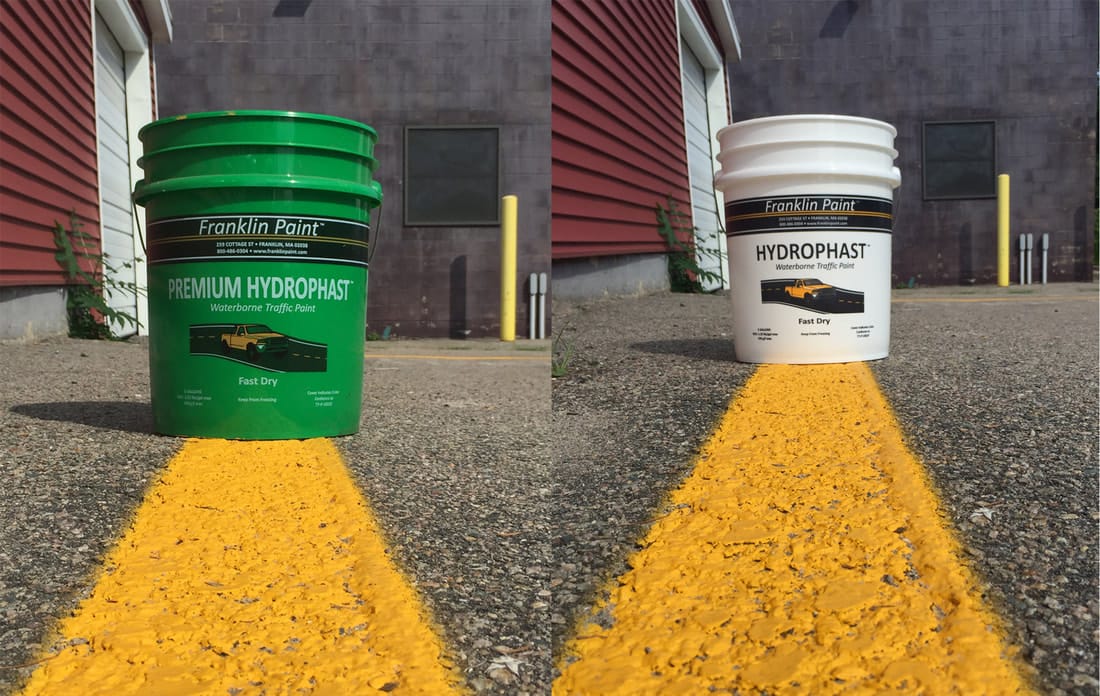
- Water-Based Paints: Water-based road paints consist of pigments dispersed in water-soluble resins or binders. They are environmentally friendly and commonly used for temporary road markings, such as construction zones or special event signage.
- Epoxy Paints: Epoxy road paints are formulated with epoxy resins, which provide exceptional adhesion and durability. They are often used for high-traffic areas, such as intersections and crosswalks, where longevity and resistance to vehicular wear are paramount.
- Acrylic Paints: Acrylic road paints contain acrylic polymers that offer excellent weather resistance and color retention. They are suitable for a wide range of road marking applications and are often used in conjunction with reflective glass beads to enhance visibility at night.
Applications of Road Paints Road paints serve diverse purposes and are applied in various traffic management scenarios, including:
- Lane Markings: Road paints are used to delineate traffic lanes, including centerlines, edge lines, and lane dividers, providing clear guidance for drivers and reducing the risk of accidents.
- Crosswalks and Pedestrian Zones: Crosswalks, pedestrian lanes, and other pedestrian zones are marked with road paints to enhance safety and visibility for pedestrians, especially in urban areas and around schools or parks.
- Symbols and Signage: Road paints are employed to create symbols, arrows, lettering, and other signage, conveying regulatory information, directional guidance, and warnings to road users.
- Specialty Markings: Specialty road paints, such as those containing fluorescent pigments or anti-skid additives, are used for specific applications, such as airport runways, bike lanes, and hazardous road conditions.
Innovations in Road Paint Technology The road paint industry continues to innovate, driven by the need for improved durability, visibility, and sustainability. Some notable advancements include:
- Smart Paints: Researchers are developing smart road paints embedded with sensors and microcapsules that can detect changes in temperature, humidity, and traffic flow, providing real-time data for traffic management and infrastructure maintenance.
- Reflective Paints: Next-generation reflective road paints utilize advanced microprismatic technology to enhance visibility in low-light conditions, increasing safety for nighttime driving.
- Environmentally Friendly Formulations: Manufacturers are exploring eco-friendly alternatives to traditional road paints, incorporating renewable materials and reducing volatile organic compound (VOC) emissions to minimize environmental impact.
Conclusion Road paints play a crucial role in shaping the safety, efficiency, and functionality of our transportation networks. From thermoplastic formulations for long-lasting durability to water-based paints for temporary applications, the diverse range of road paints available reflects the complex needs of modern traffic management. As technology advances and sustainability becomes increasingly important, the road paint industry will continue to evolve, driving innovation and improvements in road safety and infrastructure worldwide.