Businesses constantly seek innovative ways to engage customers, and one increasingly popular method is gamification. A gamified loyalty program supports game design elements to create a more engaging and rewarding customer experience. If you’re considering implementing a gamified loyalty program, here are some effective strategies to assure its success.
Understanding Gamification And Its Benefits
Gamification involves applying game mechanics—such as points, levels, challenges, and rewards—to non-game contexts to motivate and engage users. When applied to loyalty programs, gamification can increase customer engagement, encourage repeat purchases, and build brand loyalty. Here are some of the key advantages:
- Enriched Engagement: Gamification makes the shopping experience more interactive and enjoyable, inspiring patrons to spend more time with your brand.
- Grow Customer Retention: By rewarding customers for their loyalty, you raise the chances of them returning.
- Behavioral Insights: Gamified programs provide valuable data on customer behavior, helping you tailor your marketing efforts.
- Viral Potential: Engaging and fun programs are more likely to be shared on social media, increasing your reach.
Essential Features Of A Gamified Loyalty Program
Before jumping into the implementation of strategies, it’s important to understand the core elements that prosper a gamified loyalty program effective:
- Points and Rewards: Consumers earn points for explicit actions (e.g., purchases, social media shares) which can be later on redeemed for rewards.
- Levels and Badges: These elements provide a sense of progression and achievement, motivating customers to reach higher levels.
- Challenges and Quests: Engaging tasks that encourage customers to interact with your brand in different ways.
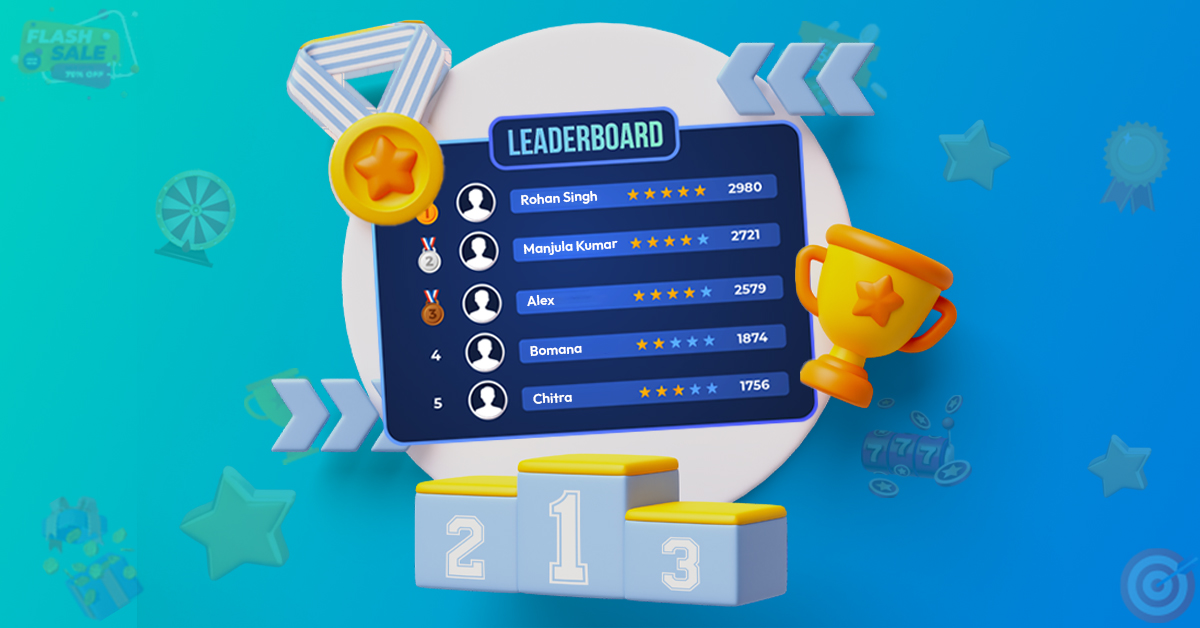
- Leaderboards: Adding a competitive element by showing customers how they rank against others.
- Personalization: Tailoring the experience to individual customer preferences and behaviors.
Strategies For Implementing A Gamified Loyalty Program
1. Define Clear Objectives
Before implementing a gamified loyalty program, you must establish clear objectives. What do you desire to accomplish? Common goals include increasing customer retention, boosting average order value, and encouraging more frequent purchases. Your objectives will guide the design and implementation of your program.
2. Know Your Audience
Understanding your target audience is crucial. Different customer segments may respond differently to gamification elements. Conduct market research to identify what motivates your customers and tailor your program to meet their preferences. For instance, younger audiences might be more attracted to social sharing and competitive elements, while older customers might prefer straightforward rewards.
3. Start Simple
It’s tempting to include numerous gamification elements from the start, but it’s often better to start simple. Introduce basic elements such as points and rewards, then gradually add more features like levels, badges, and challenges based on customer feedback and engagement levels. This approach helps avoid overwhelming customers and allows for easier adjustments.
4. Create Compelling Rewards
The rewards you offer are the heart of your loyalty program. Be certain that they are compelling and relevant to your customers. They don’t always have to be discounts or free products. Exclusive experiences, early access to new products, or special recognition can be just as appealing. The key is to make customers feel valued and appreciated.
5. Design Engaging Challenges
Challenges and quests can significantly amplify engagement. Design tasks that encourage customers to analyze different aspects of your brand. For example, a fashion retailer might create a challenge where customers earn points for creating and sharing outfits using the retailer’s products. The challenges should be fun, achievable, and rewarding.
6. Use Social Elements
Incorporating social elements can greatly improve the effectiveness of your loyalty program. Features like social sharing, leaderboards, and team challenges can create a sense of community and competition. Inspiring customers to share their accomplishments or progress on social media can also boost your brand’s visibility.
7. Personalize The Experience
Personalization can significantly boost customer engagement. Use the data from your gamification rewards program to tailor rewards, challenges, and communications to individual preferences. For example, if a customer frequently buys sports apparel, offer them challenges and rewards related to that category. Personalized experiences make customers feel more connected to your brand.
8. Modern Technology
Modern technology can streamline the implementation and management of your gamified loyalty program. Make use of CRM systems, mobile applications, and analytics tools to track customer behavior, manage rewards, and examine the efficacy of your program.
9. Monitor And Adjust
A successful gamified loyalty program requires ongoing monitoring and adjustments. Use analytics to track key metrics such as engagement rates, customer retention, and reward redemption rates. Gather feedback from customers to understand what they like and dislike about the program. Be prepared to make adjustments to keep the program fresh and engaging.
10. Promote Your Program
Even the best-designed loyalty program will fail if customers are unaware of it. Advertise your program on all of your advertising channels such as your social media, website, in-store signage, and email newsletters. Make sure your staff is trained to inform customers about the program and its benefits.
Conclusion
Implementing a gamified loyalty program can significantly strengthen customer engagement, retention, and satisfaction. By understanding your audience, setting clear objectives, and incorporating compelling rewards and engaging challenges, you can create a loyalty program that not only rewards customers but also promotes a deeper connection with your brand.
Remember to start simple, use technology to your advantage, and continuously monitor and adjust your program to make sure its ongoing success. With the right strategy, your gamified loyalty program can become a powerful tool for building a loyal and engaged customer base.